What to Buy and What to Skip at a Supermarket Stop on a Long Bike Ride
If you take yourself even slightly seriously as a cyclist, you'll recognise this feeling. A few hours into your ride, the supermarket appears like an oasis. You roll into the car park already imagining what you'll buy. Five minutes later you're standing in front of the bakery section, hugging a salad, an apple, a bag of sugary candy, a cheese sandwich and a bottle of Coke while somehow also trying to pick up two pastries. No idea how you got there.
I've been in that situation more times than I'd like to admit. I'd feel sluggish, heavy, and about half an hour after rolling out, I looked six months pregnant and spent the rest of the ride being windy about it. I always assumed that was just how it was. Part of long rides. Until I figured out I'd been buying the wrong things completely.
It wasn't until I started reading more about sports nutrition that the picture became clear. The supermarket had never been the problem. My choices were. And after making just about every mistake possible across hundreds of rides and a fair few very long ones, I think I have a few lessons worth sharing. Simple ones. But ones that have fundamentally changed the way I approach these stops nowadays.
A supermarket stop isn't lunch
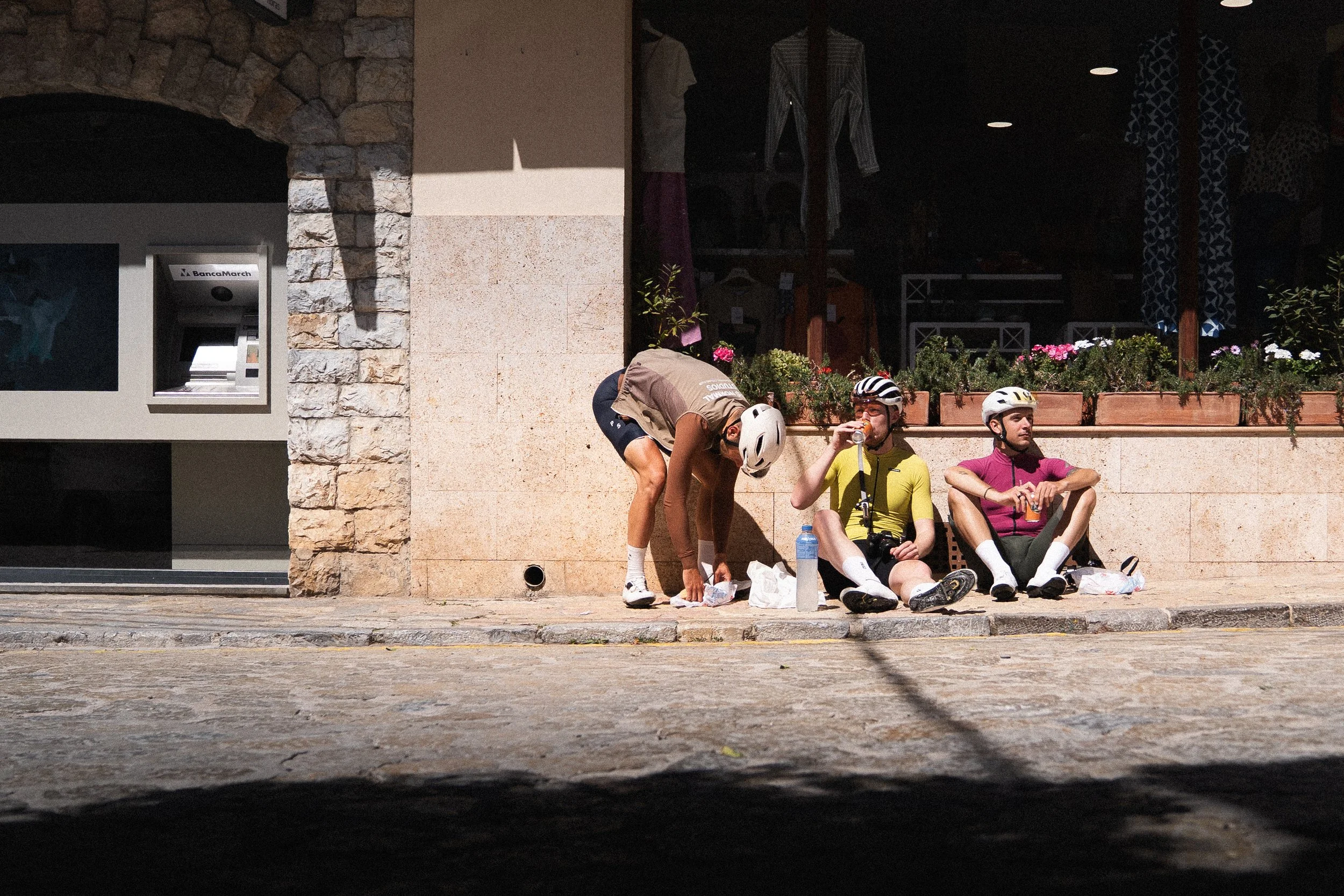
This is probably the biggest mindset shift, and also the one everyone completely ignores. The moment you walk through those automatic doors, you're shopping as though you're about to sit down for a proper lunch. A sandwich. Something savoury. Something warm if they have it. But your legs have been turning for a few hours, and apparently your head has decided it's time to act like a retired person at a garden centre café.
The thing is, your body isn't sitting at a table. After several hours in the saddle, it's working under completely different conditions. Your blood is flowing to your legs instead of your digestive system, which means that your stomach isn't looking for a meal. It's looking for fuel. And there's a significant difference between the two.
Once I understood that, the supermarket became much easier to navigate. You're not there to buy yourself lunch. You're making a pit stop. And that’s how you should treat it.
Healthy means something different on a bike ride
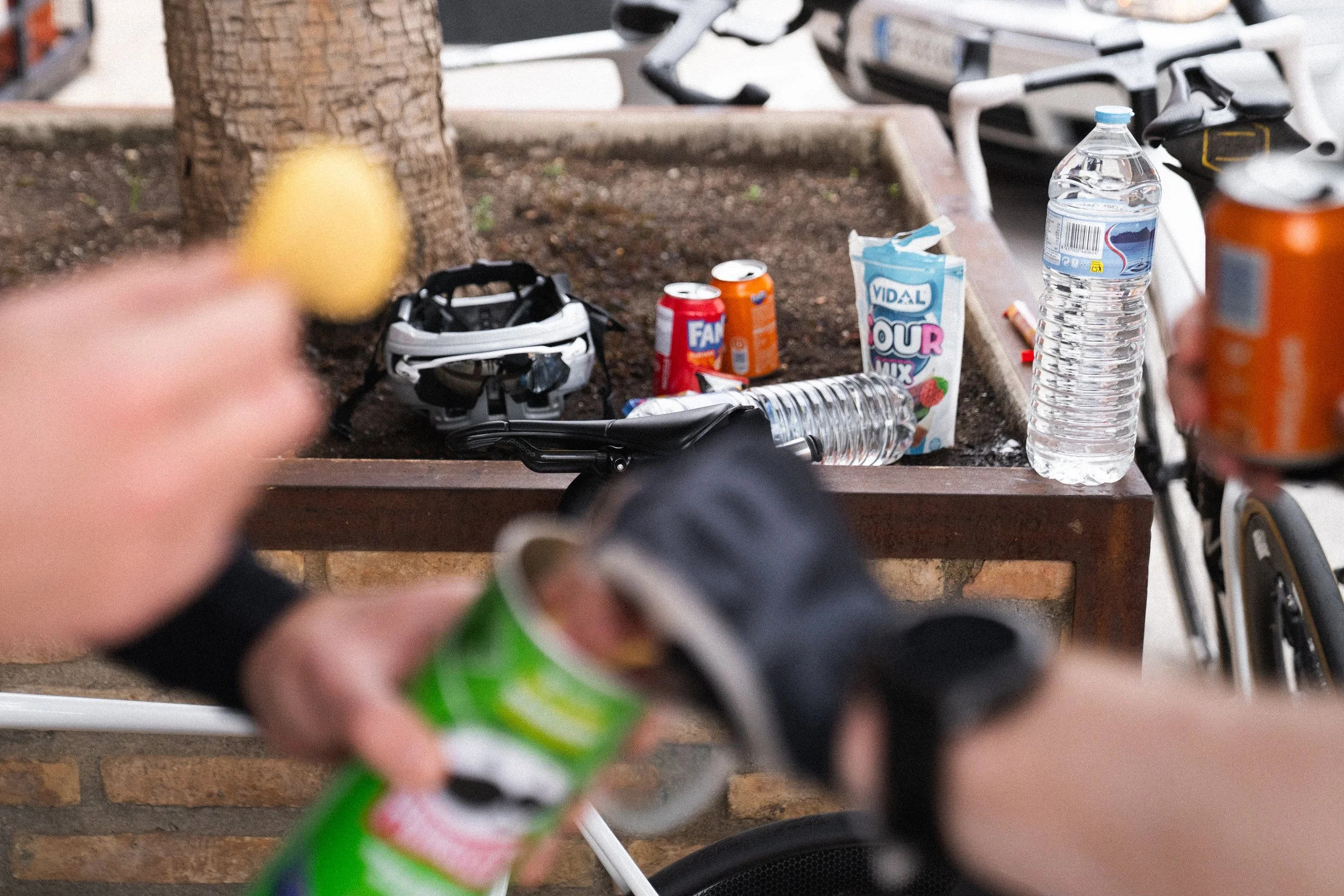
This one surprised me more than anything else I read. The foods we'd normally call healthy aren't always the healthiest choice once you've spent four hours on the bike.
An apple sounds sensible. A proper wholegrain sandwich seems like the obvious option. Yet, these things ask your digestive system to do quite a bit of work at exactly the moment it's least interested in doing it.
Fibre, fat and protein all slow gastric emptying, which means the energy stays locked up longer than you need it and your stomach has to work harder than it wants to. In contrast to the dinner table, on the bike, healthy means carbohydrates that can be absorbed easily. Asking as little as possible from your stomach.
It's one of the situations in life where a fresh orange juice genuinely beats a Caesar Salad.
What actually goes in the basket
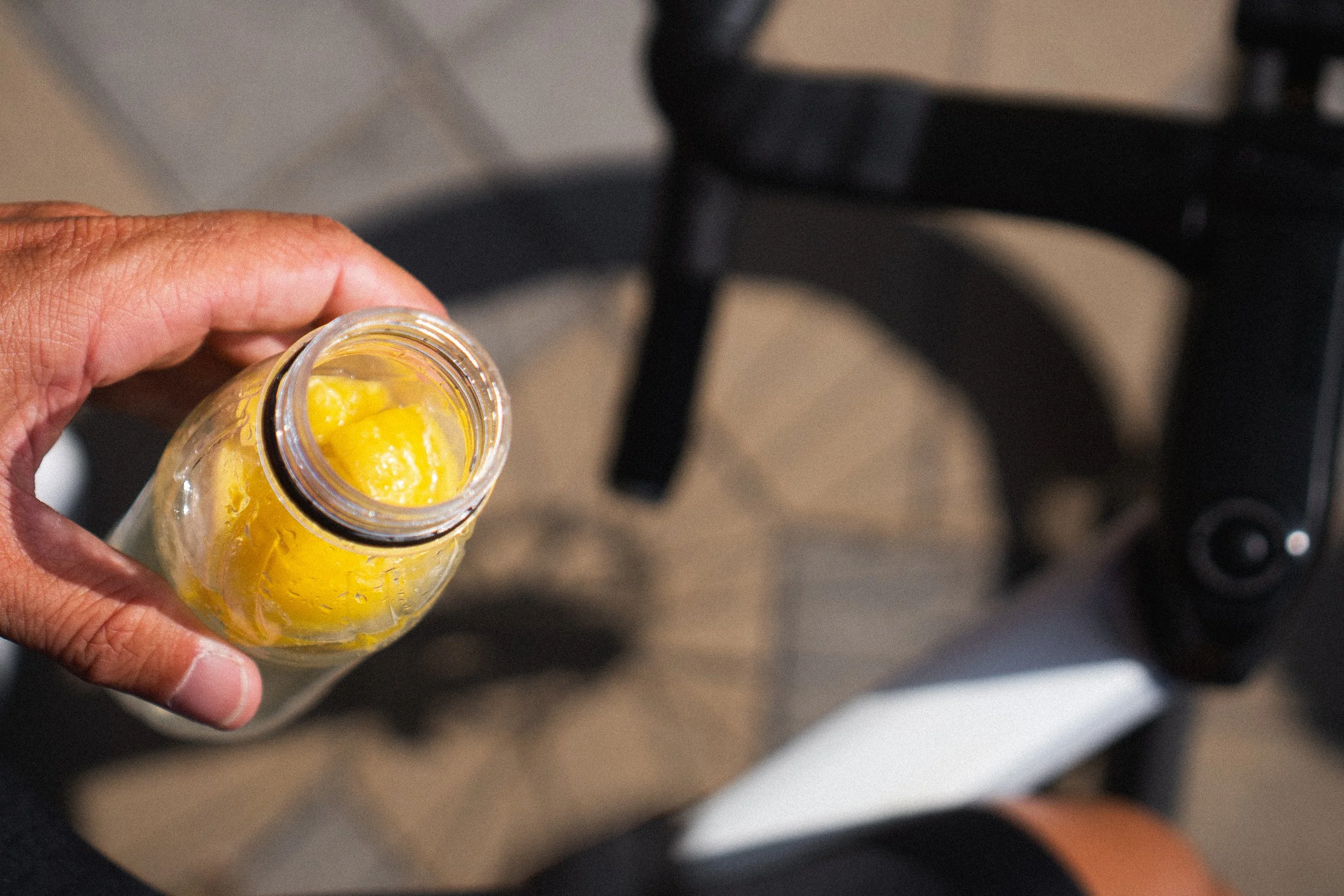
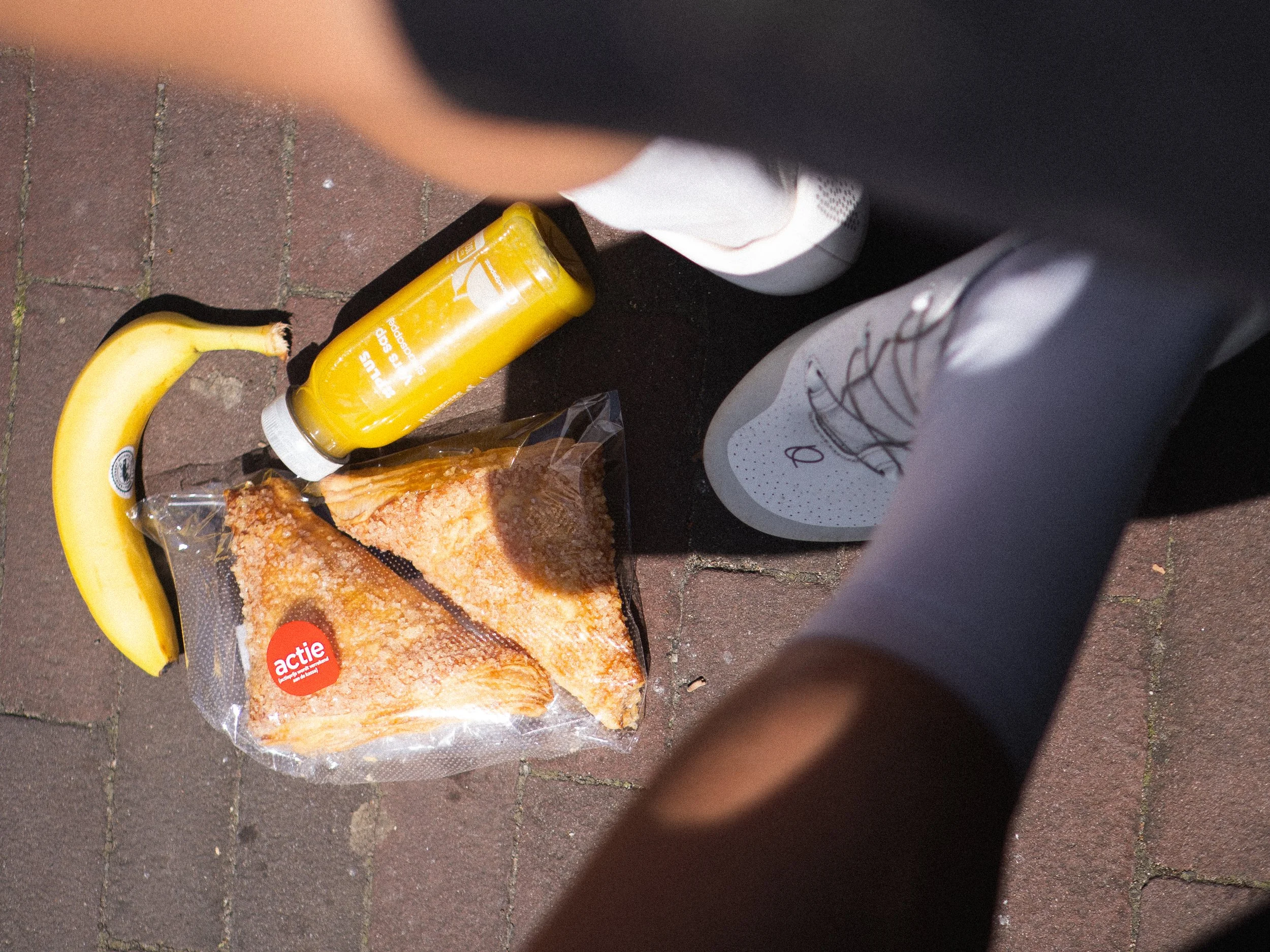
Real food almost always wins for me, and I want to be clear about what I mean by that. I'm not talking about some purist whole-food ideology. I'm talking about ingredients you'd actually recognise. Some items from the bakery have maybe five ingredients, and you know what all of them are. A bag of candy probably has seventeen, and half of them sound like a chemistry experiment. That's the bar I use: not "did anyone touch this before me," but "do I know what's in it." With that framing in mind, here's what actually ends up in my basket.
FRESH ORANGE JUICE
Refrigerated if they have it. This is the most underrated thing you can buy at a supermarket mid-ride. It delivers fast sugars, a decent hit of potassium, and fluids all in one go. I'll drink 250 to 500ml depending on how hot it is and how hard the kilometres ahead look.
BANANAS
The obvious one, and obvious for a reason. Easy to eat on the move, gentle on the stomach, around 25 grams of fast-digesting carbohydrate each, and available in every supermarket in the world without exception.
Krentenbollen or ontbijtkoek
In the Netherlands, I'll often add a krentenbol, a soft bread roll studded with raisins, or a slice of ontbijtkoek, a dense spiced gingerbread loaf Dutch bakers have been making for centuries. Both are low in fat and protein, high in digestible carbohydrates, and easy to eat in the saddle. If you're not Dutch, find the local equivalent wherever you're riding. Most countries have one. In Italy, I would probably pick a cornetto with jam. In France, a pain au raisin. In Spain, a napolitana de chocolate. The principle is the same everywhere: soft, simple, recognisable ingredients.
Dates
These deserve more respect than they get in cycling circles. Compact, extremely carbohydrate-dense, and easy to carry in a jersey pocket. A small pack from a supermarket is one of the best value mid-ride purchases you can make, and remarkably easy on your stomach for something so calorie-dense.
Watermelon
On genuinely hot days, pre-cut watermelon is hard to beat. It's mostly water, which is exactly what you need, with enough natural sugar to keep the legs turning. It also resets your palate in a way that most sweet sports food simply never does. If your supermarket has it pre-cut and chilled, buy it without hesitation.
When you also need salt
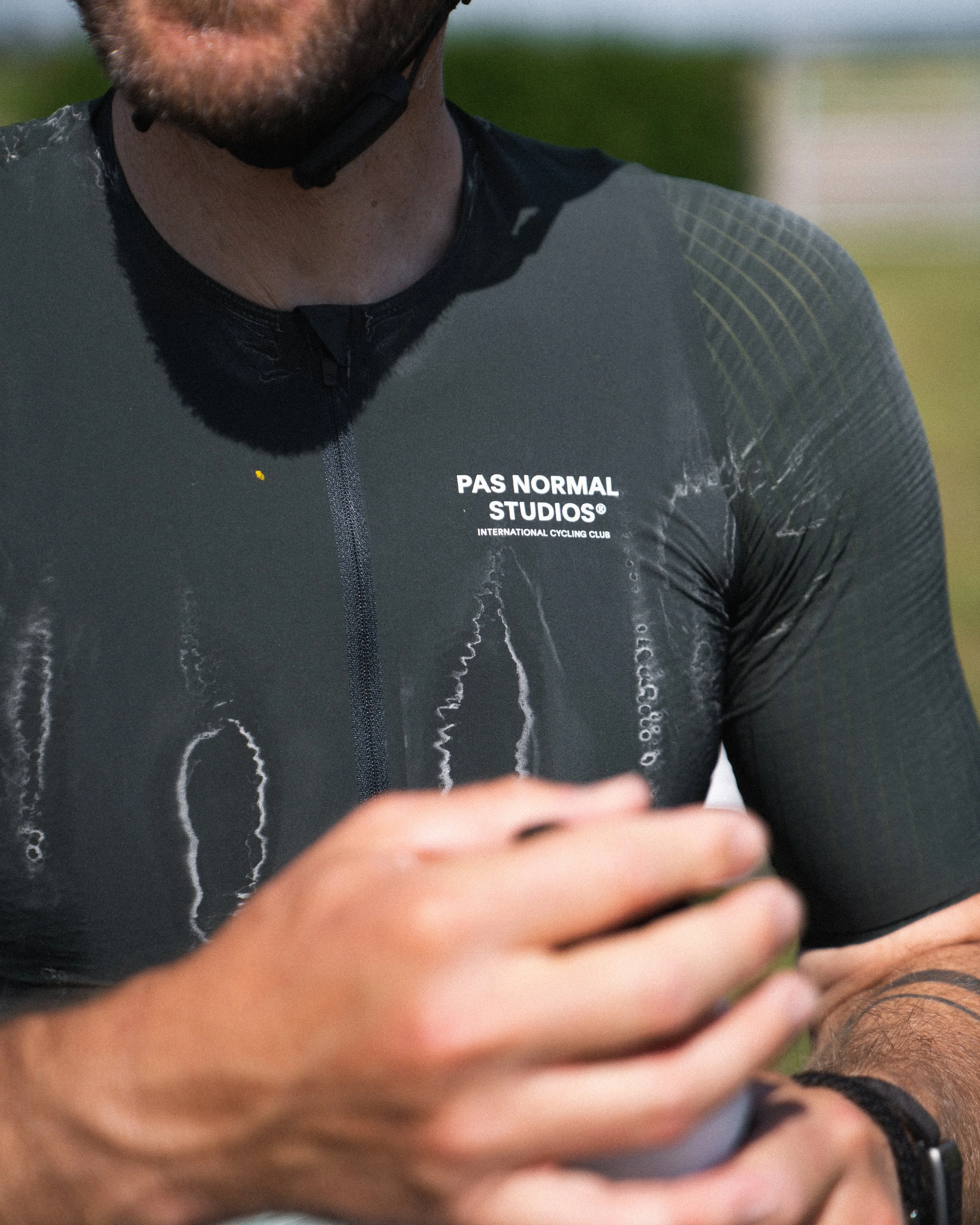
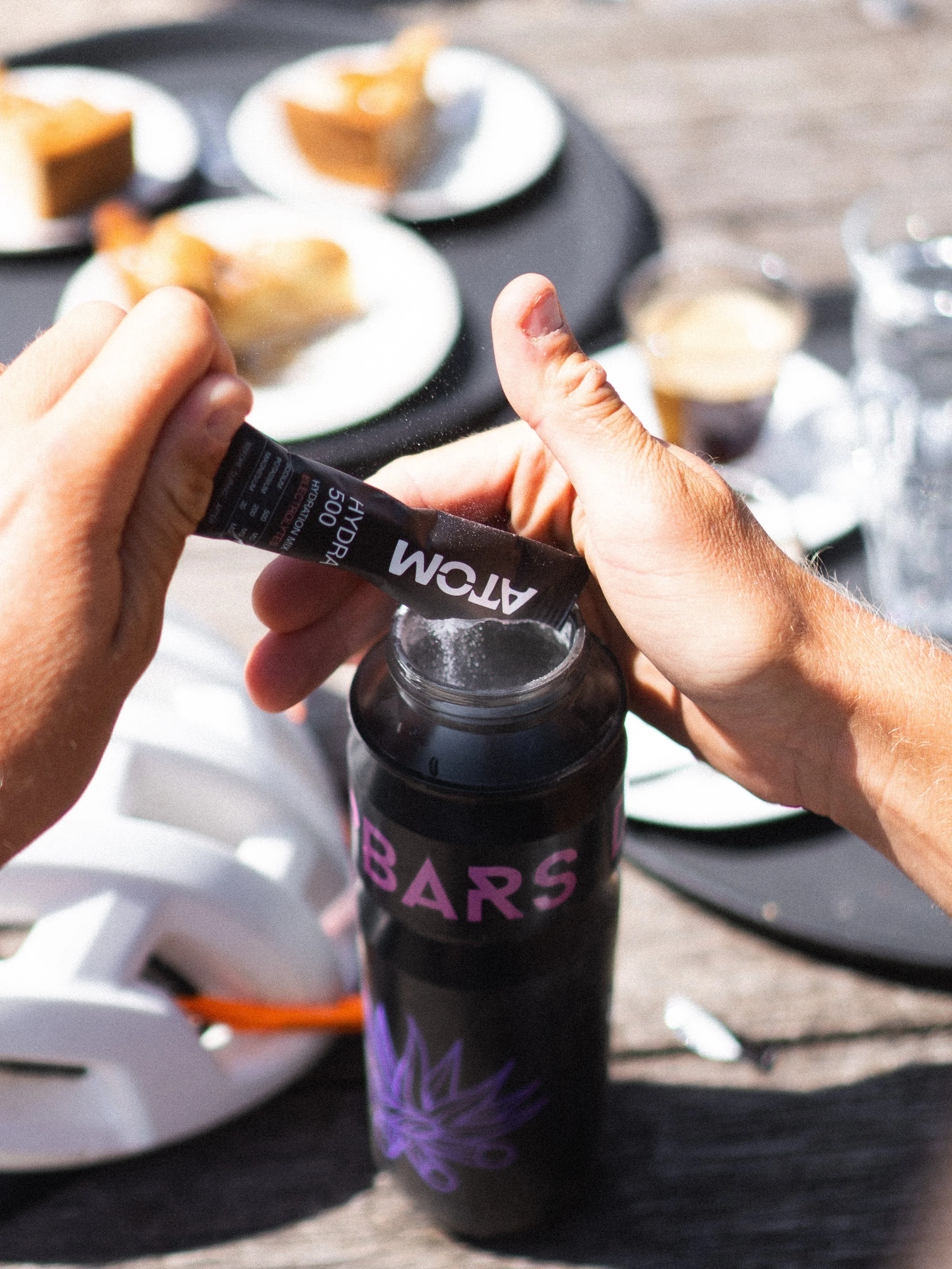
Once the temperature climbs above 25 degrees, salt becomes a seriously underrated topic. When you're sweating heavily for several hours, you're not just losing fluid. You're losing sodium, and losing it fast. The symptom most misread as bonking on a hot day is often dehydration combined with electrolyte depletion. More gels won't fix that. Salt will. The electrolyte industry would prefer you didn't know that, but here we are.
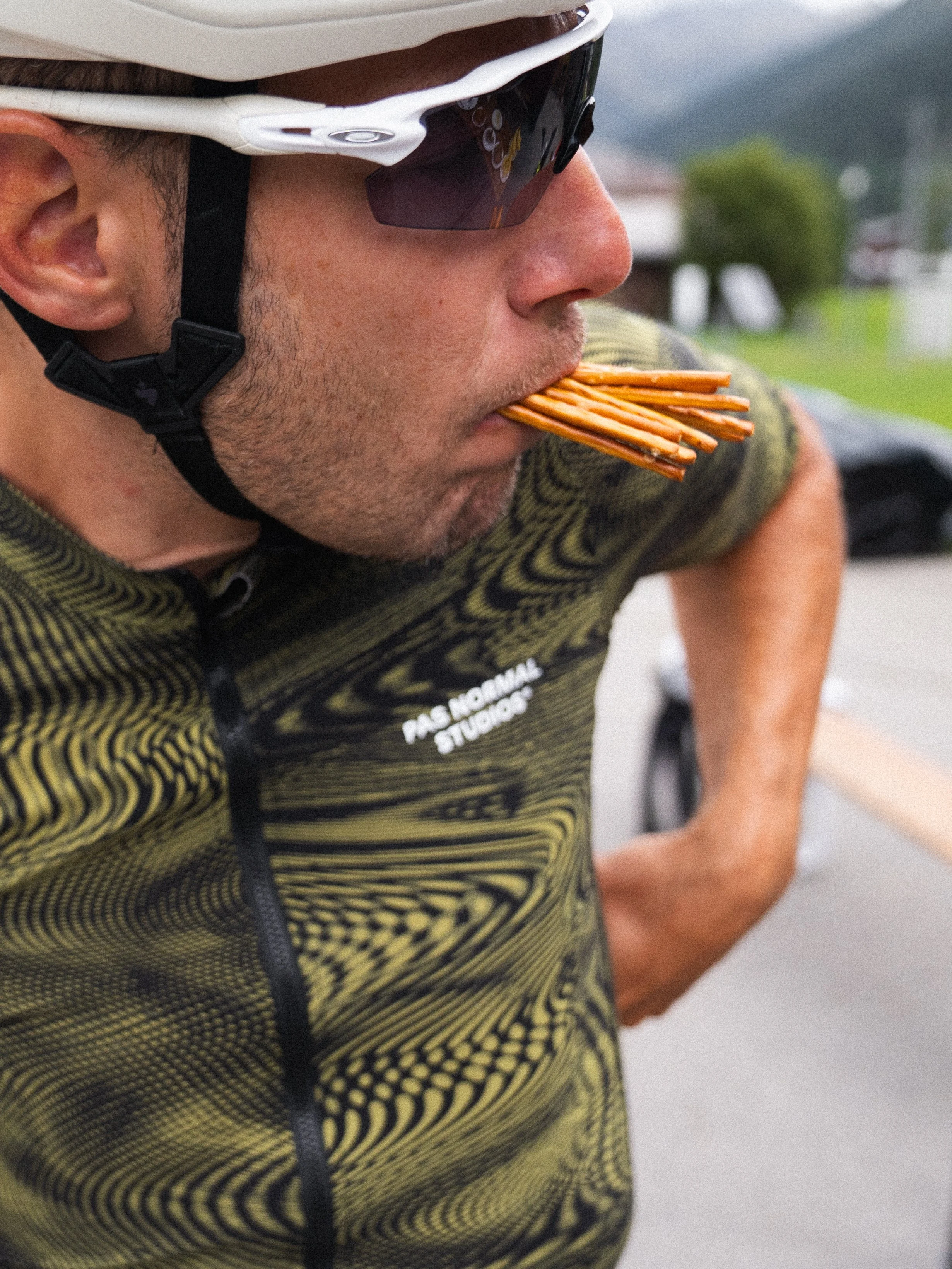
Because of the whole hype around these electrolyte products, most don't realise that real supermarket food covers a surprising amount of this without any engineering involved. A banana gives you a meaningful dose of potassium. Fresh orange juice adds more potassium and some sodium. And anything with actual salt in it, like that krentenbol, a rice cracker, a handful of salted pretzels, is restoring your sodium levels with food you can actually chew on. The salt intake also triggers thirst, which gets you drinking more, which keeps the whole system working as it should.
Where it gets more critical is heat combined with rides beyond five or six hours, or if you're someone who sweats heavily. In those conditions, a proper electrolyte product earns its place, and I'm not going to pretend otherwise.
But in addition, on a hot day, my shopping list shifts noticeably. I'll still take the banana and the juice. I'll add salted rice crackers or salted pretzels. And what I avoid more than any other time is anything heavy or high in fat. Because a croissant that feels manageable at fifteen degrees becomes a serious mistake at thirty-five.
What to leave on the shelf
The short version: anything that makes your digestive system work hard while your legs are also working hard. These foods aren't bad. They're simply meant for a different moment.
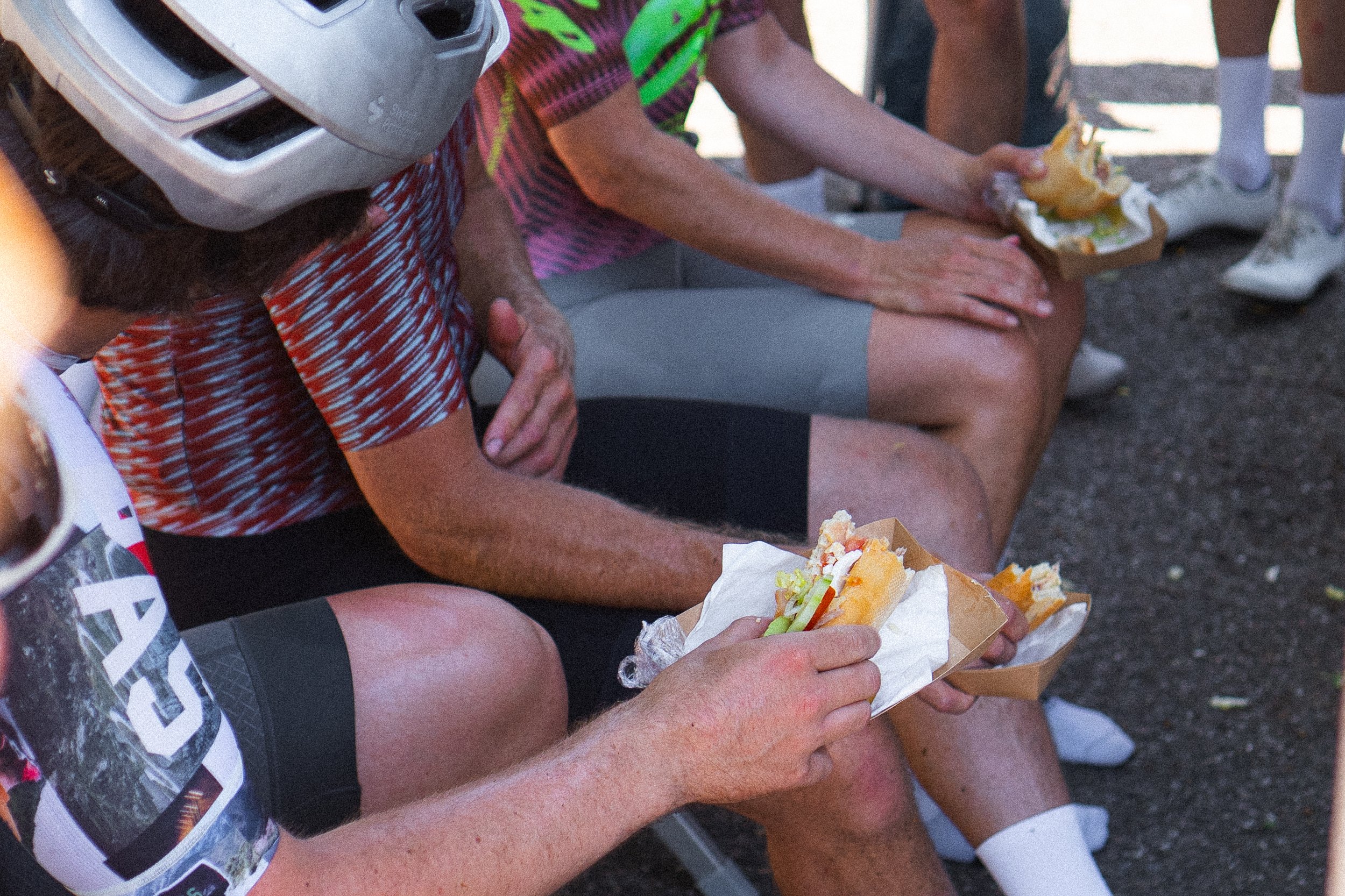
Cheese sandwiches are the classic trap. They look right, you might crave it, they even feel deserved, but they will slow you down heavily for the next hour. Protein and fat combined slow gastric emptying significantly. Your body diverts energy to digestion at exactly the moment you need to transfer that to your pedals.
The same goes for nuts. Calorie-dense and nutritious. But full of protein and fat. Almost impossible to digest properly.
Anything protein-rich comes with a similar problem. It’s good for recovery. But eating protein-rich food mid-ride works like filling up your car with the wrong fuel.
And leave anything labelled high in fibre. Fibre is excellent at keeping you full, which is precisely the last thing you want from a mid-ride stop.
Oh, and last but not least, energy drinks from supermarkets. The sweet and fizzy kind. They tend to have too much sugar arriving too fast with no real electrolytes to back it up. Cola is different. A small can of cola mid-ride is actually a fairly well-established cycling hack for the final hour, delivering fast sugar and a small caffeine kick. It's not pretty, but neither is getting dropped with ten kilometres to go. The supermarket sports drink shelf though? Leave it.
Shop with your legs
Walking into a supermarket after burning three thousand calories is dangerous. Everything looks delicious. Everything feels deserved. And that's exactly how you end up eating a cheese sandwich followed by a croissant and wondering why the next hour feels so much harder than the previous ones.
These days, I walk in with a mental list already decided before I push through that door. Banana. Juice. Water. One other thing, if I need it. In and out in a few minutes. The fewer decisions I make inside, the better the rest of the ride.
One more thing worth saying: I'd rather leave feeling like I could eat more. My aim is not full. But ready to ride again. After the ride, I can satisfy my appetite in full. Supermarket stops have only one job, which is to carry me comfortably through the next few hours.
Once I stopped trying to eat until I felt satisfied, I stopped feeling heavy afterwards too.
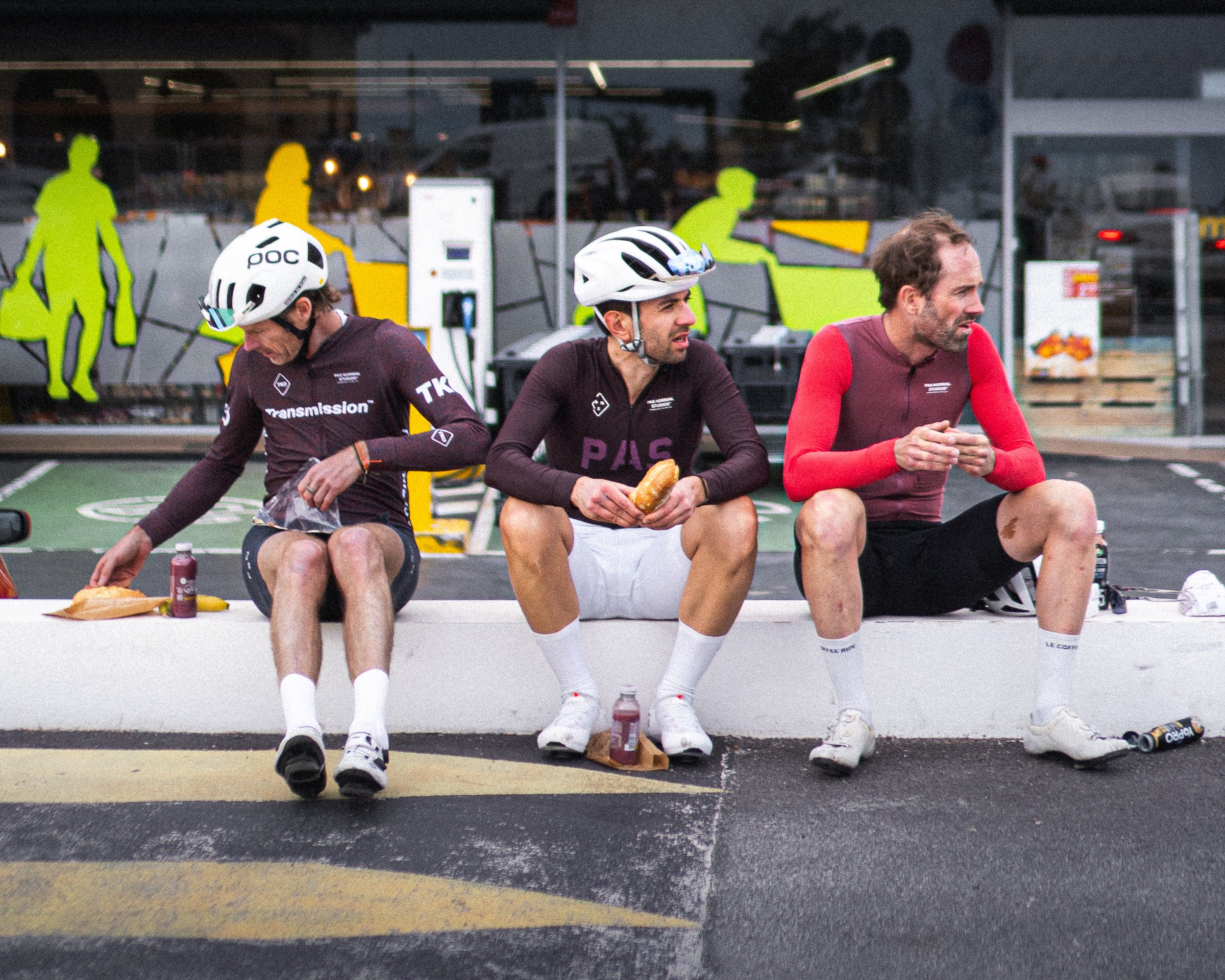
Go in. Set your timer to three minutes, and straight to the counter. Because everything else is just temptation.
Supermarket stops: FAQ’s
What should I get at a supermarket stop on a long bike ride? Prioritise fast-digesting carbohydrates with low fat and low fibre. Fresh orange juice, bananas, dates, soft bread rolls and pre-cut watermelon are all excellent choices. The goal is food your body can absorb quickly without asking much from your digestive system.
What should I avoid eating at a supermarket stop on a bike ride? Avoid anything high in fat, protein or fibre. Cheese sandwiches, protein bars, nuts and wholegrain products all slow digestion at exactly the moment your body needs fast energy. Supermarket energy drinks are also best left on the shelf.
Why do I feel heavy or bloated after a supermarket stop on a long bike ride? Almost always because of fat and protein intake. Foods that feel satisfying, like cheese sandwiches, croissants or nuts, take significantly longer to digest than simple carbohydrates. Your body has to divert resources to digestion while your legs are still demanding energy, and the result is that familiar sluggish feeling.
Are bananas good for cycling? Yes, and they're one of the best mid-ride foods available. Each banana provides around 25 grams of fast-digesting carbohydrate, is gentle on the stomach, easy to eat on the move, and available in basically every supermarket in the world.
Is fresh orange juice good for cyclists during a long ride? Fresh orange juice is one of the most underrated mid-ride purchases you can make. It delivers fast sugars, potassium and fluids in one go. A 250 to 500ml bottle at a supermarket stop covers a lot of bases simultaneously.
What should I eat at a supermarket stop in hot weather? In hot weather, salt matters as much as carbohydrates. Add salted rice crackers, a small amount of salted pretzels or anything with real sodium alongside your usual banana and juice. Watermelon is also particularly effective in heat, combining hydration with natural sugar. Avoid anything fatty or heavy, which becomes significantly harder to digest as temperature rises.
Why do cyclists need salt on hot rides? Heavy sweating depletes sodium faster than most cyclists realise. What feels like bonking on a hot day is often dehydration combined with electrolyte depletion, and more gels won't fix that. Salt triggers thirst, gets you drinking more, and keeps the whole system working. Real food with actual salt in it covers more of this than most electrolyte marketing would have you believe.
Is Cola good for cycling? A small can of cola in the final hour of a long ride is a well-established cycling habit. It delivers fast sugar and a modest caffeine kick at exactly the point when both are useful. It is not ideal for the first half of a ride, and supermarket sports drinks are not a great substitute.
What is the best supermarket food for cycling energy? Bananas, fresh orange juice, dates and soft bread products with simple ingredients give you the best combination of fast carbohydrates, digestibility and practical convenience. Real food with recognisable ingredients almost always outperforms engineered products at a supermarket stop.
How long should a supermarket stop be on a long bike ride? Three minutes is the target. Long enough to grab what you need, pay, and fill your bottles. Longer stops let your muscles cool and stiffen, and make it significantly harder to get back into rhythm. Go in with a mental list already decided. Everything else is just temptation.